

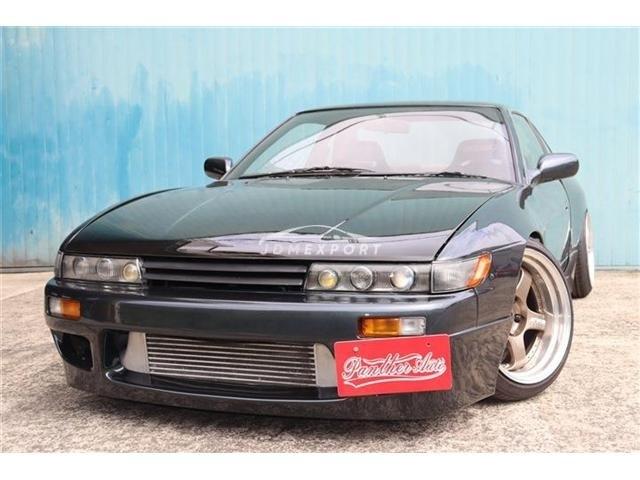
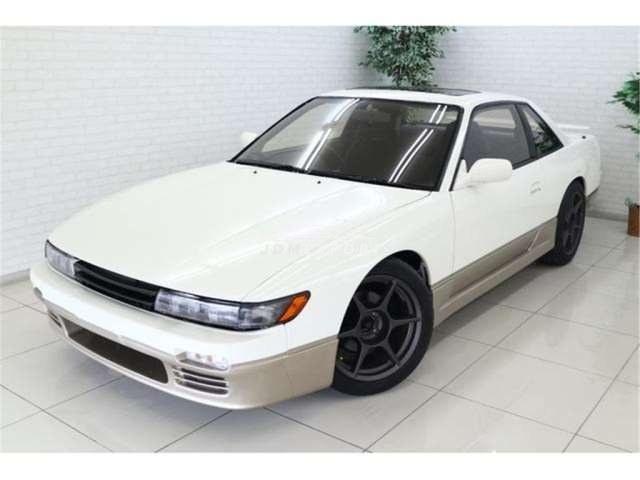
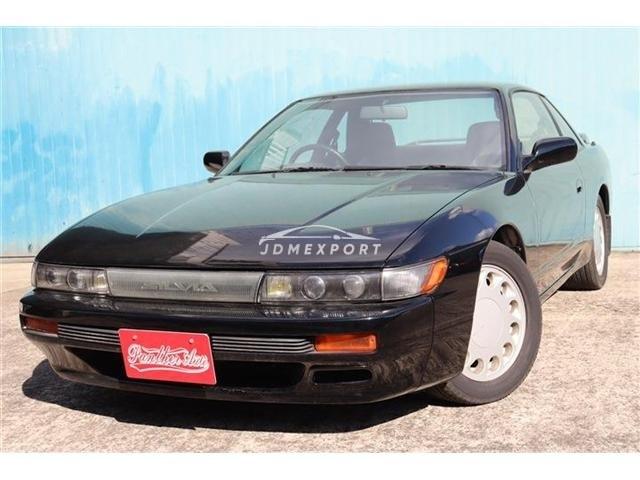
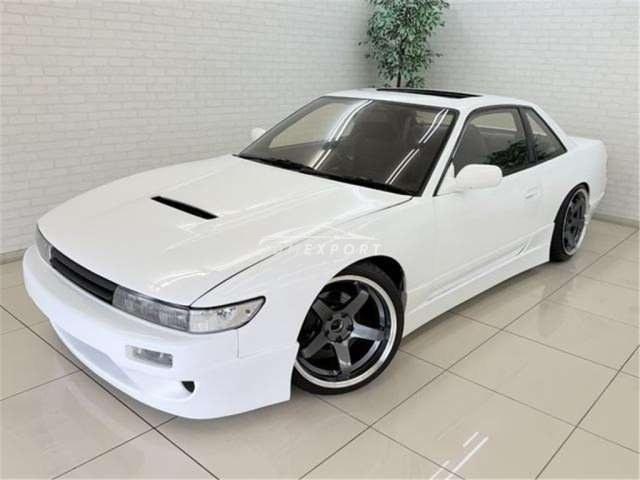
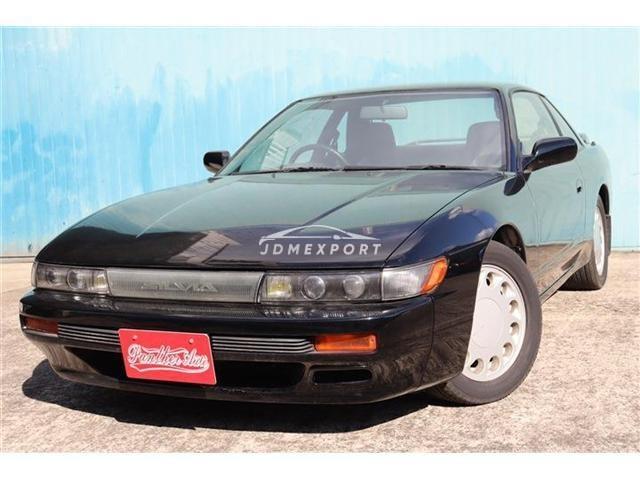
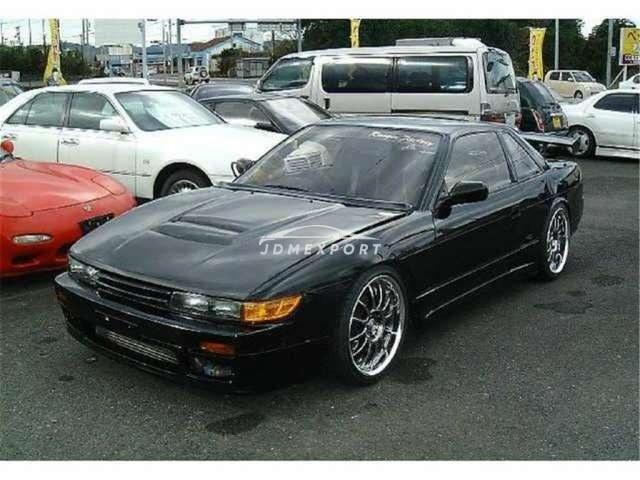
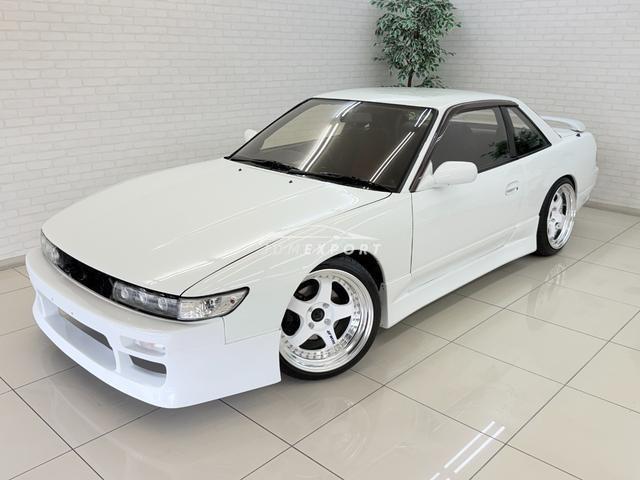
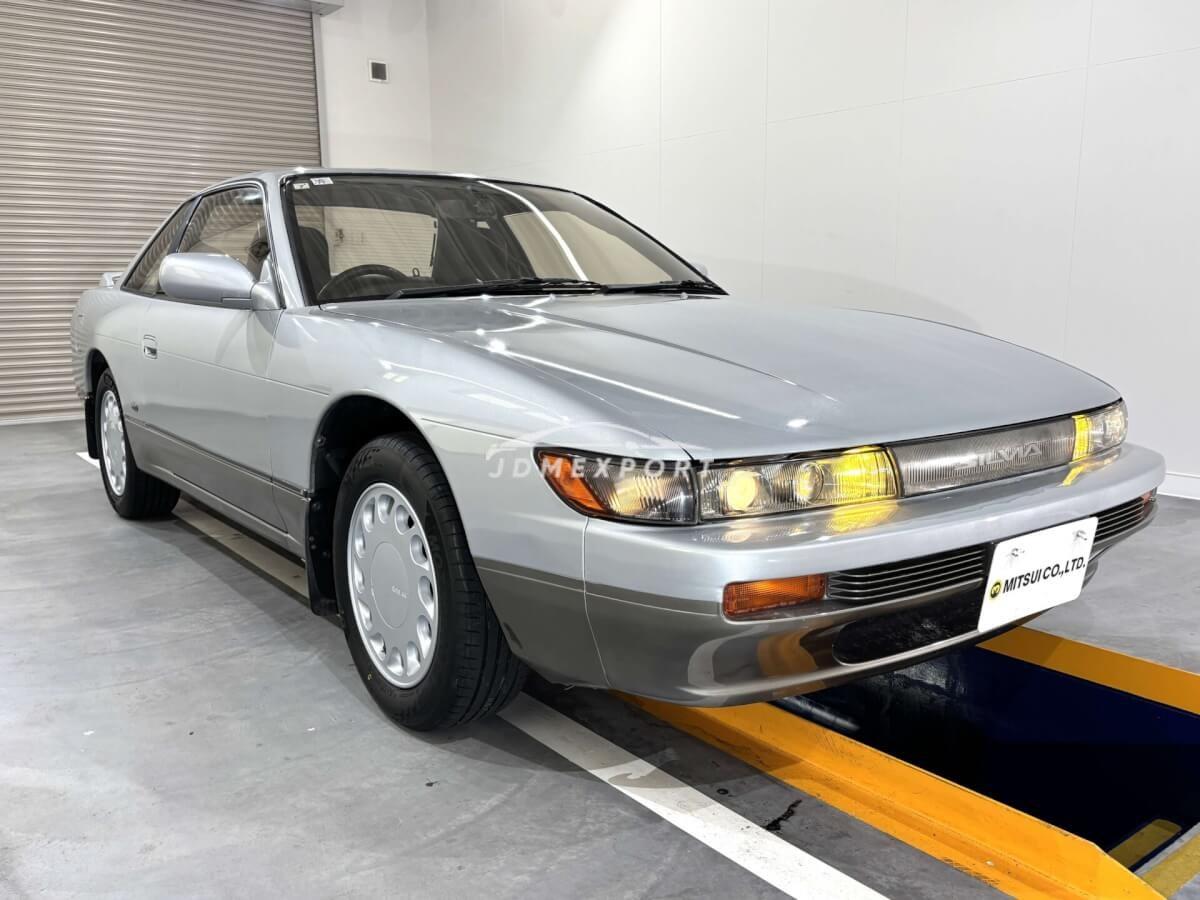
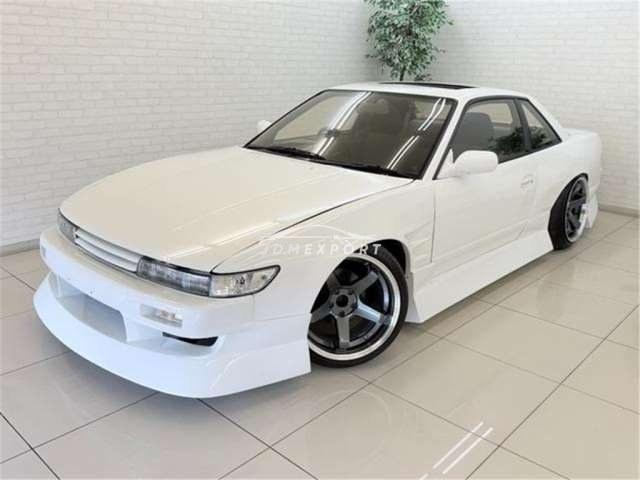
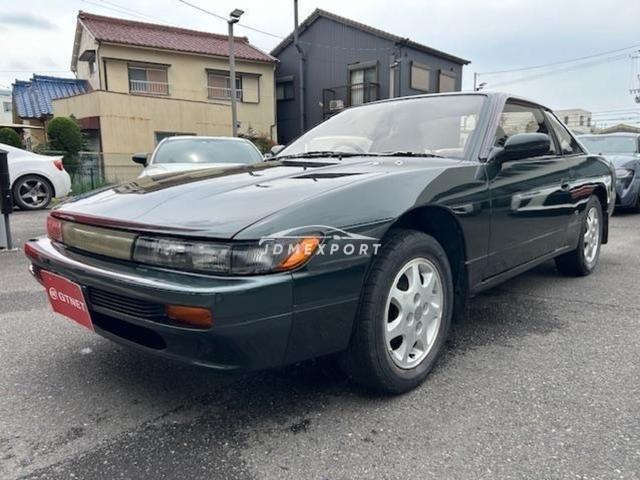
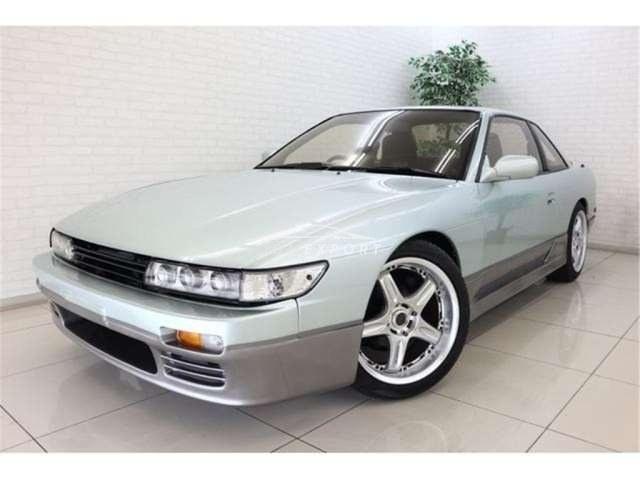
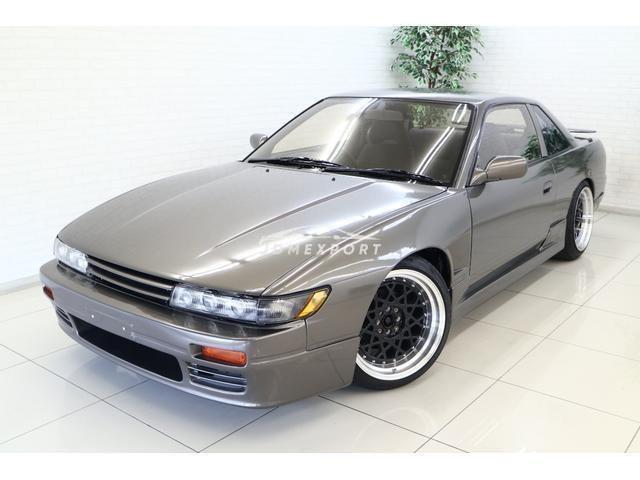
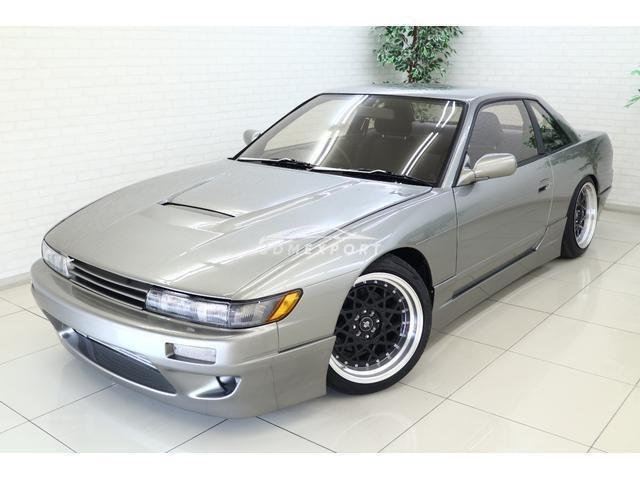
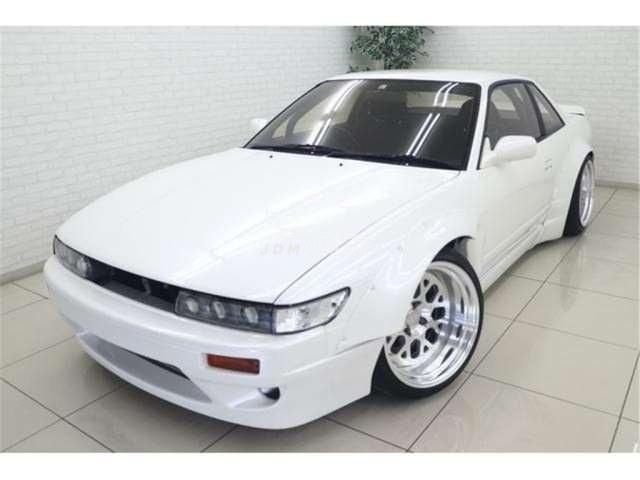
The Nissan Silvia S13 is a rear-wheel-drive sport coupe sold in Japan from May 1988 until the S14 replaced it in October 1993. It’s light, balanced and easy to modify, which is why it became one of the most popular drift and tuner platforms in the world.
Nissan never sold the Silvia in the U.S. American buyers got the 240SX, which shares the S13 chassis but has its own front end and a 2.4L four-cylinder. Every Silvia here is a right-hand-drive Japanese import. Production ended in 1993, so every S13 is now over 25 years old and eligible for import. Registration and emissions rules still vary by state, and California is the strictest. The Silvia is the notchback coupe, while its Japanese sibling, the 180SX, is the hatchback.
The range has three grades: J’s, Q’s and K’s. J’s is the base model, Q’s adds more equipment, and K’s is the sporty top grade. Engines changed partway through production. Early cars (1988 to about 1990) use a 1.8L CA18 engine, with a 135 PS naturally aspirated version in the J’s and Q’s and a 169 PS turbo in the K’s. Around 1991, Nissan replaced them with the 2.0L SR20, which makes 140 PS in the NA version (SR20DE) and 205 PS in the turbo K’s (SR20DET). The SR20DET is the engine most buyers want, and the late K’s is the most sought-after S13. Transmissions are a 5-speed manual or a 4-speed automatic, and most enthusiasts look for the manual.
You’ll hear cars called zenki (early) or kouki (late). The late cars have updated styling and the SR20 engines, so the label is a quick way to tell which engine a car should have. Because so many S13s have been modified, or swapped to an SR20DET, always check the engine code on the auction grade sheet instead of assuming it matches the grade. A naturally aspirated J’s or Q’s is cheaper and fine for cruising or a swap project, while a factory turbo K’s costs more.
The S13 is a light car, at roughly 1,100 to 1,200 kg, with MacPherson strut front suspension and a multi-link rear. Many suspension, brake and driveline parts overlap with the 240SX, and the aftermarket for SR20 engines and S-chassis cars is huge. Body panels, lights and trim are harder to find. As with any 30-plus-year-old JDM car, check the auction grade sheet and photos for rust, accident repair and undocumented modifications, since a clean, unmodified example is worth the premium.
| Spec | Details |
|---|---|
| Production | May 1988 – October 1993 (Japan) |
| Body | 2-door notchback coupe, rear-wheel drive |
| Grades | J’s, Q’s, K’s |
| Engine | K’s (late): 2.0L SR20DET, turbo inline-4 J’s / Q’s (late): 2.0L SR20DE, naturally aspirated K’s (early): 1.8L CA18DET, turbo inline-4 J’s / Q’s (early): 1.8L CA18DE, naturally aspirated |
| Power / torque | K’s (late): 205 PS (202 hp) / 275 Nm (203 lb-ft) J’s / Q’s (late): 140 PS (138 hp) / 181 Nm (133 lb-ft) K’s (early): 169 PS (167 hp) / 226 Nm (167 lb-ft) J’s / Q’s (early): 135 PS (133 hp) / 163 Nm (120 lb-ft) |
| Transmission | 5-speed manual or 4-speed automatic |
| Suspension | Front MacPherson strut, rear multi-link |
| Length | ~4,470 mm (176 in) |
| Width | ~1,690 mm (66.5 in) |
| Height | ~1,290 mm (50.8 in) |
| Wheelbase | 2,475 mm (97.4 in) |
| Curb weight | ~1,100–1,200 kg (2,425–2,650 lb), depending on grade |
| Steering | Right-hand drive |